Read This Before Transporting a Yacht
Read This Before Transporting a Yacht
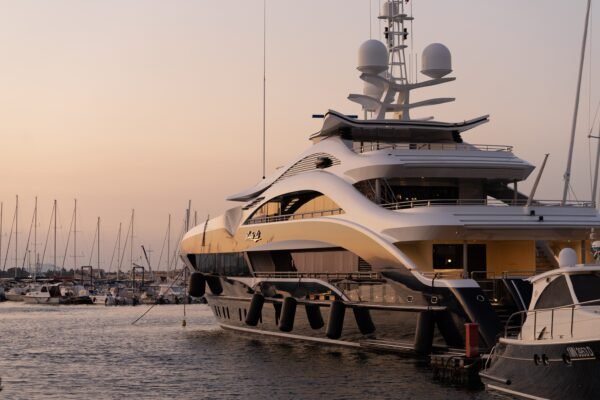
Few people will ever be able to commission a yacht that requires tearing down and rebuilding to sail it to its destination. But even if you’re not buying or selling a superyacht to rival Jeff Bezos’s crown jewel, there’s still much to learn about transporting a boat before doing so.
Due to their size, complex shape, and weight, yachts aren’t easy to ship. Sometimes you need help, and other times, you can sail it to its destination. The issue is knowing what to choose based on your yacht’s unique specifications and delivery requirements.
How you decide to proceed will also come down to many financial and logistical considerations.
The Importance of Insurance
Yachts are expensive vessels; any damage incurred during transport can cost a fortune to repair. Unlike shipping land vehicles, having the best insurance coverage for shipping a yacht from point A to B is mandatory.
All-risks-transport insurance is an excellent policy to have. It’s worth noting that a cargo insurance policy might also be necessary. It’s standard practice to get cargo and navigational insurance when transporting a yacht via ocean transit.
The extra coverage can account for potential loading and discharge damage and other risks associated with ocean transit.
Naturally, having a good policy isn’t enough to get the most out of your coverage. That’s why many recommend documenting the yacht’s condition with pictures. Both interior and exterior photos can help prove when the damage occurred and make insurance companies pay your claim in full.
Know the Transportation Methods
There are several ways to transport a yacht when you want to sell, buy, or relocate it to a different port. One of the first that comes to mind is shipping the vessel on its own trailer.
Via Its Trailer
It isn’t uncommon to buy yachts that come with trailers. It’s often called a boat-motor-trailer package and can be useful for aspiring yacht owners.
The main reason this appeals to new buyers is that they can be responsible for moving their boat around whenever they need to do it without sailing.
Granted, it’s still not for everyone. Firstly, you would need a powerful tow vehicle to haul the yacht around. Secondly, not all yachts fall under land shipping restrictions. Lastly, if you don’t have time to sail, you might also lack the time and freedom to tow a boat on the open road.
Via Land
Even if your yacht doesn’t come with a specialized trailer, you can still ship it by land. Many are transported this way, especially from coast to coast. Examples of land shipping are available at https://www.a1autotransport.com.
But this option is best reserved when working with a professional shipping company. Yacht shipping companies can use trailers, multi-boat trailers, flatbed trucks, and various other options to safely tow or transport a yacht on land.
Of course, the boat must meet specific criteria.
It can’t exceed 12 feet in width and 13 feet and six inches in height. Furthermore, the boat should exceed 14 feet in height when loaded onto a flatbed or trailer. Otherwise, this would cause many clearance issues and make multiple destinations or routes impossible to tackle.
Via Ship
Another popular way to transport a yacht is via water. Transport ships carry boats all the time over short and long distances. They’re specialized vessels that can carry massive cargo loads and have custom anchoring points to keep the smaller boats stable during the journey.
Unfortunately, this can be expensive and not to everyone’s liking. That said, it’s one of the safest ways to transport a yacht internationally besides sailing it to a particular destination.
Despite the cost, it can be worth it. Freight forwarders and shipping companies can handle all the logistics and paperwork, sparing you many headaches.
You Need to Know This Before Choosing Sailing as a Delivery Method
If you have time and sailing experience, you can move your yacht from port to port. You can pick up your new yacht or deliver your boat to a buyer while arranging a different trip back.
Again, this comes down to experience and time.
Another option is to hire a personal delivery crew. Experienced yacht captains, called delivery captains, can sail yachts for other people nationally and internationally.
However, there are significant time and financial investments involved. Firstly, you would have to hire a captain and a crew to manage the boat on a long cruise. Secondly, you have to provide the staff with reasonable accommodation and provisions.
Insurance is another expense, and it can be a big one if you’re transporting a yacht without the help of a specialized shipping company.
Then there’s the matter of the risks associated with long cruises. Mechanical issues can occur at any point, especially on secondhand yachts.
Unpredictable weather patterns can delay the delivery, endanger the crew, or damage the yacht in many ways.
Customs issues, paperwork problems, and other factors can cause delays or inconvenience. Keeping in touch with the crew might not be easy, especially when sailing in international waters. You would need good satellite communications equipment and enough money to support the phone bill.
While sailing the boat with an experienced crew is a great way to determine its value, condition, and performance, it can be a significant financial investment.
Do Your Yacht Transport Due Diligence
Shipping a yacht isn’t something to take lightly. An uninformed decision can significantly strain your finances and expose your boat to unnecessary risks.
Discussing the logistics with specialized boat transport experts, shipping companies, and freight forwarders is essential for picking your yacht’s best delivery method, window, and route. Land transportation is often the cheapest and safest option unless you have a massive boat to move.
But there are situations when towing isn’t feasible, and loading your yacht on a transport vessel will put it in a safer environment and trustworthy hands. Whichever method you choose, constantly coordinating with a specialist is essential to avoid wear and tear, irreparable damage, delays, and other inconveniences.
Article by: Chris Ward
Photo by: Eugene Chystiakov